
Dealing with blood stains can be tricky since speed and the right approach are key, not brute force. If you scrub too hard or grab the wrong cleaner, you risk setting the stain for good, especially on fabrics. After a mishap like a cut or nosebleed, lots of people seek advice on how to get rid of blood stains, but the info out there can be confusing. This guide will explain what truly works. It also covers what to steer clear of, and how to safely and properly treat those stains on various surfaces.
Ready for a Cleaner Space?
Schedule Your Service Today
Call us today and book your service; we’ll get your spotless home back to you!
Call us on (587) 355-3590 and our experts will guide you through the whole process.

Why Blood Stains Are Tricky to Remove
Blood has proteins that stick strongly to fibers. When heat and strong chemicals are used, along with rubbing, these proteins can get locked in, making spots tough to get rid of.
Why Blood Stains Are Tricky to Remove
- Warm or hot water
- Drying before cleaning
- Aggressive scrubbing
- Incorrect chemical use
Understanding this reaction is key when learning how to get rid of blood stains properly.
The First Rule: What to Do Immediately
When it comes to blood stains, quick action beats powerful cleaning.
Immediate Response Checklist
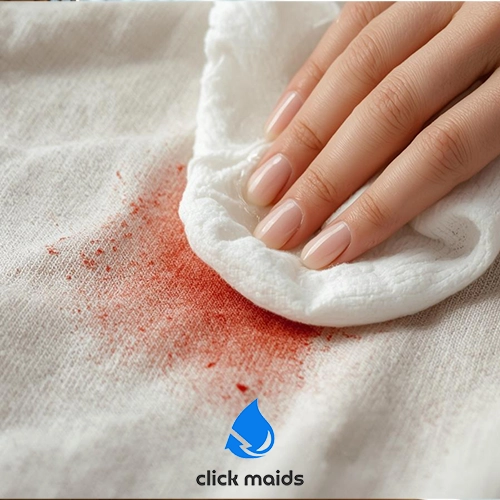
- Blot (don’t rub)
- Use cold water only
- Work from the outside inward
- Keep the stain damp until removed
Getting to these steps early gives you a much better shot at completely removing the stain.
How to Get Rid of Blood Stains From Fabric
Fabric is the most common surface affected by blood stains.
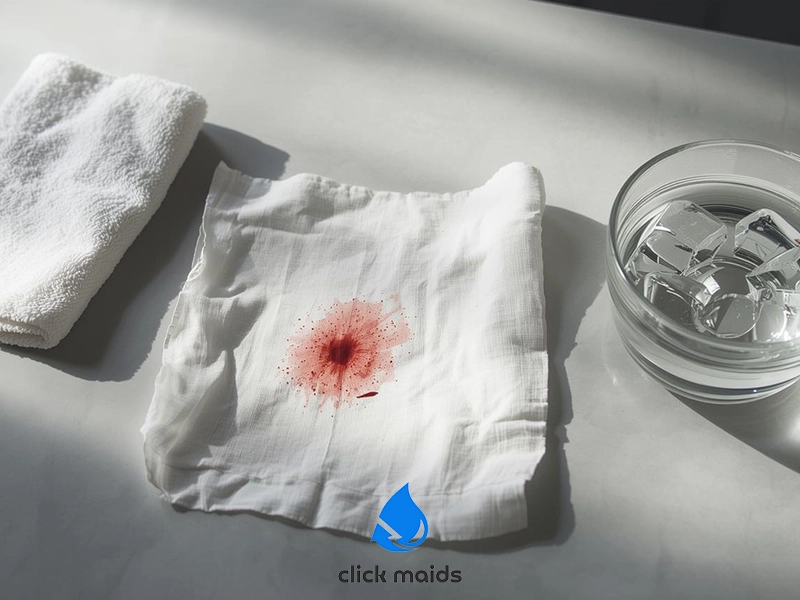
Step-by-Step Fabric Method
- Rinse the stain with cold water
- Apply hydrogen peroxide or mild dish soap
- Gently blot with a clean cloth
- Rinse again with cold water
- Air dry and inspect before repeating
Never place fabric in the dryer until the stain is completely gone.
Also Read: How to Remove Fleas From Your Home and Stop Them From Coming Back
How to Get Rid of Blood Stains From Hard Surfaces
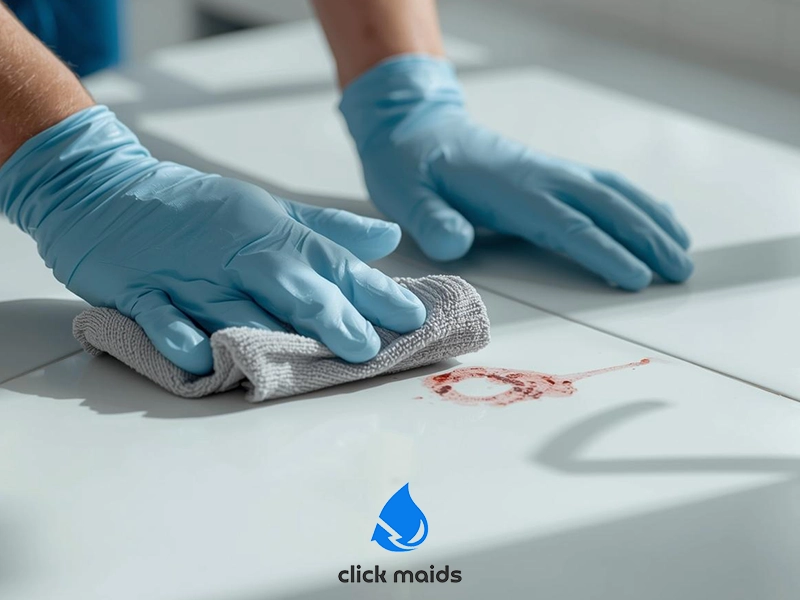
Blood stains on tile, countertops, or floors are easier to manage but still require care.
Recommended Approach
Wipe with cold water first
Apply mild soap or diluted peroxide
Let sit briefly
Wipe clean with a microfiber cloth
Disinfect once stain is gone
Avoid abrasive pads that may damage finishes.
Fresh vs Dried Blood Stains: What’s the Difference?
How long a stain has been there makes a difference in how you clean it and how much work it takes.
Stain Type | Difficulty Level | Best Cleaning Method |
Fresh blood | Low | Cold water + blotting |
Partially dried | Medium | Peroxide or soap |
Fully dried | Higher | Repeated treatment or professional care |
This comparison helps you know what to expect when you’re trying to get rid of blood stains.
What Most People Overlook When Removing Blood Stains
Here’s what people often miss when dealing with stains:
- Testing cleaners in hidden spots first.
- Giving treatments enough time to work.
- Rinsing well between tries.
- Checking if the stain is gone after it dries.
- Treating the padding under carpets or furniture.
Taking care of these things can be the key to getting rid of blood stains completely.
When Professional Cleaning Is The Best Option
Blood stains can really sink into things like carpets and mattresses. If you keep trying to clean them yourself, you might just make the stain bigger or ruin the material.
For those extra tough stains, Click Maids offers house cleaning services that get rid of blood stain without harming your stuff.
Conclusion
Knowing how to get rid of blood stains comes down to timing, temperature, and technique. Cold water, gentle treatment, and patience are far more effective than aggressive scrubbing. While many stains can be handled at home, deeper or older stains sometimes need professional care to fully restore the surface.
When DIY methods aren’t enough, Click Maids offers reliable cleaning solutions that save time and prevent permanent damage.
Also Read: DIY Duct Cleaning: How to Do It Safely and Effectively